The Rise of Virtual Influencers: A Paradigm Shift in the Digital Marketing Landscape
31 Dec, 2023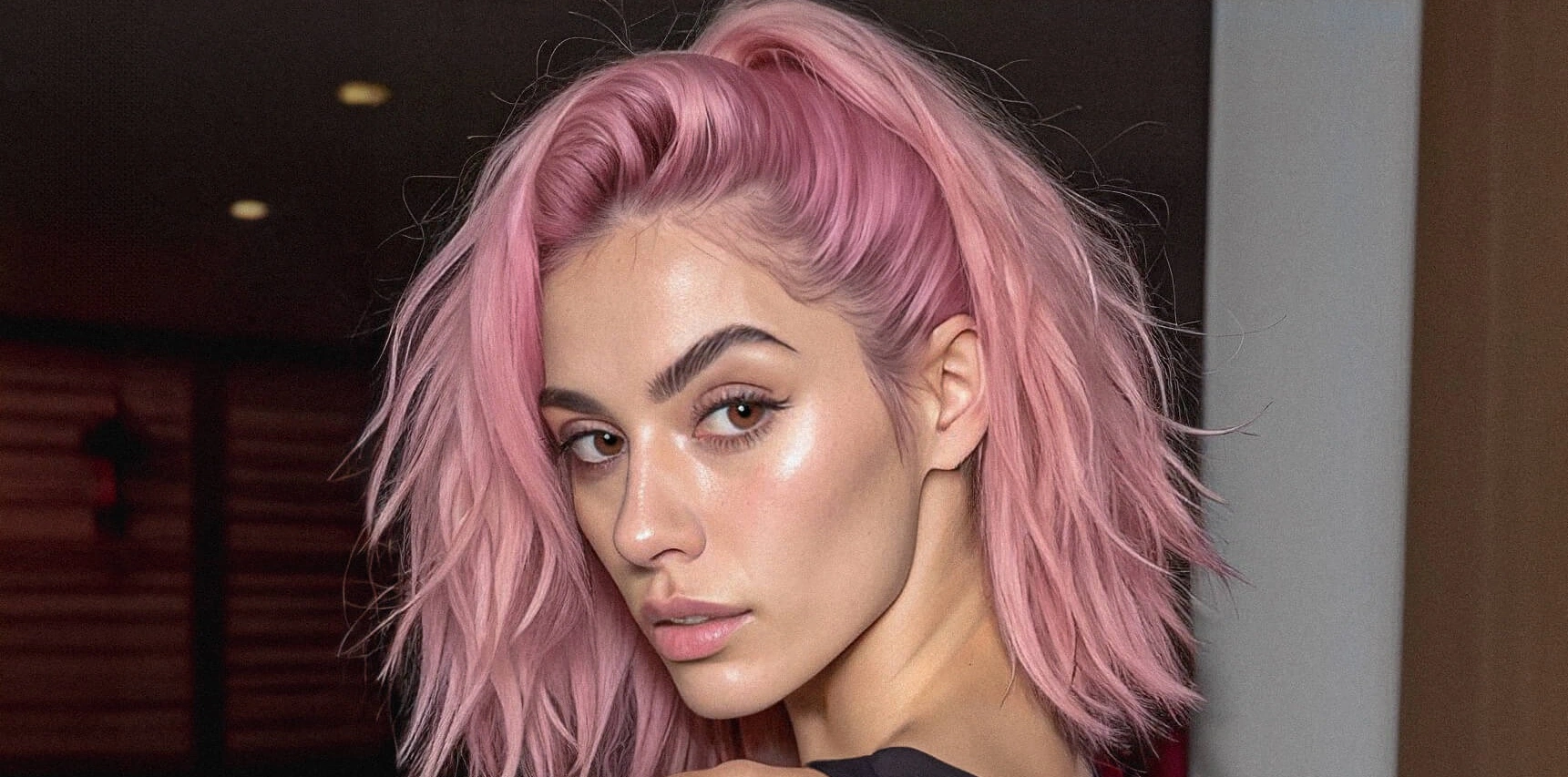
The Rise of Virtual Influencers: A Paradigm Shift in the Digital Marketing Landscape
In the ever-evolving realm of digital marketing, the rise of virtual influencers has emerged as a groundbreaking phenomenon, revolutionizing the way brands connect with audiences and shape consumer perceptions. These captivating digital creations, crafted using cutting-edge technologies like 3D modeling, animation, and artificial intelligence (AI), have captivated the attention of millions, posing a significant challenge to traditional influencer marketing and sparking a debate about their ethical implications.
Virtual Influencers: The New Face of Marketing
Virtual influencers provide brands with numerous benefits, surpassing the constraints of their real counterparts. They have the ability to uphold a constant brand image while effortlessly adjusting to any creative direction or messaging, all without the intricacies of human personalities or shifting emotions. They are a cheap and effective marketing strategy because of their constant availability and unrelenting work ethic across several platforms.
Aitana Lopez: A Case Study of Virtual Influencer Prominence
Aitana Lopez, from The Clueless, a pink-haired virtual influencer, epitomizes the growing popularity of these digital personas. With over 200,000 followers on social media, Aitana has garnered significant brand endorsements, commanding a price tag of around $1,000 per sponsored post. Her success demonstrates the ability of virtual influencers to captivate audiences and forge genuine connections, despite their non-human existence.

Impact on Human Influencers and Ethical Considerations
Human influencers are worried about being supplanted by their digital counterparts due to the rise of virtual influencers. This concern arises from the possibility that brands would redirect their marketing funds to the more affordable and regulated virtual alternatives. Virtual influencers' supporters counter that this is just a disruption of an overvalued market, providing marketers with a more effective and scalable alternative.
When it comes to the transparency of virtual influencers, ethical issues also surface. In order to respect moral principles and shield customers from any deceit, brands must unambiguously state that these digital personas are not human. Although the UK’s Advertising Standards Agency (ASA) has recognized the rise in popularity of virtual influencers, there are currently no established rules pertaining to the necessary disclosures.
The Future of Virtual Influencers: A Paradigm Shift or a Passing Trend?
Virtual influencers' future is yet unknown, but there is no denying their influence in the field of influencer marketing. Their capacity to engage consumers, serve as strong brand ambassadors, and create a great deal of engagement points to their continued prominence in digital marketing tactics. its future will surely be shaped by the ethical issues surrounding its use and the possible effects on human beings.
Brands need to evaluate their value offer and take into account the possible effects on consumer perception and real influencers as virtual influencers develop. To guarantee that virtual influencers have a good impact on the influencer marketing industry as a whole, transparency, adherence to ethical standards, and an emphasis on authentic engagement are essential.
Conclusion
A significant change in the field of digital marketing is the rise of virtual influencers. Their rise raises important ethical problems, even as it offers marketers new ways to engage with target groups and create idealized brand advocates.
Establishing precise laws will be essential to ensuring consumer transparency as this technology develops. When a brand uses virtual influencers, it should be upfront about it and explain why the influencers are artificial. In order to completely comprehend the advantages and possible disadvantages of depending on virtual personas rather than human endorsements, more scholarly research on their effects is also required.
In the future, it is possible for real and virtual influencers to coexist inside the ecosystem of influencer marketing. However, in order for things to go properly, brands need to act ethically and carefully consider their options. Virtual influencers have the potential to become a digital marketing fixture with careful assessment, ethical behavior, and an emphasis on fostering genuine connection. But if they are not carefully considered, their rise could have a negative effect on human lives, consumer confidence, and the influencer market as a whole.